Twenty-six Ann Arbor high school students are posting anti-idling signs in school parking lots, growing native plants and preparing to catalog wildlife at a district nature campus.
The students belong to the Freeman Environmental Youth Council, a group drawing members from Ann Arbor Public Schools high schools. The council won a $4,300 Sustaining Ann Arbor Together grant from the city to fund its idle-free campaign. Anti-idling signs went up at schools across the district during the summer, according to AAPS District News.
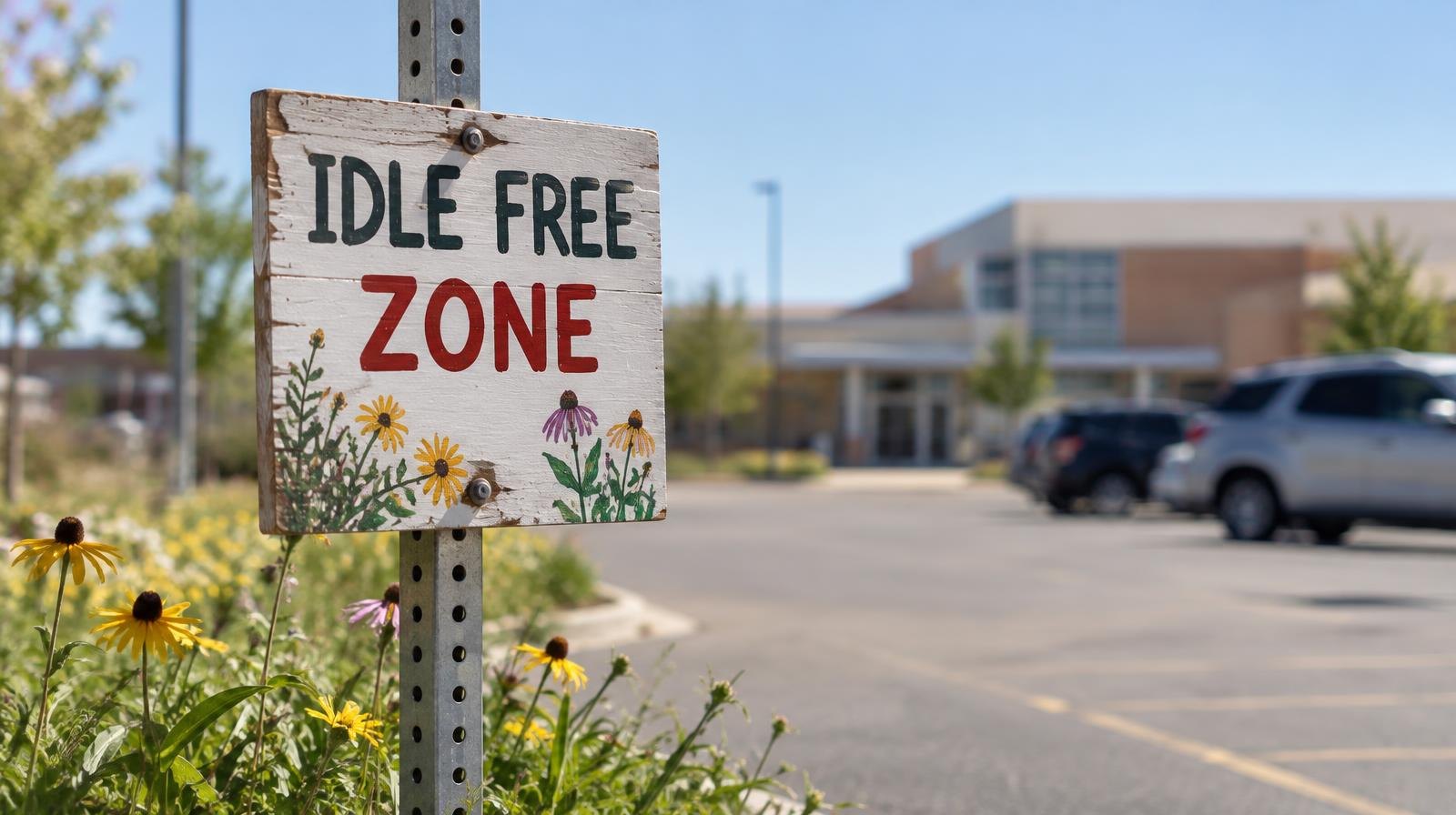
The signs target a familiar scene: parents arriving an hour early for pickup, engines running.
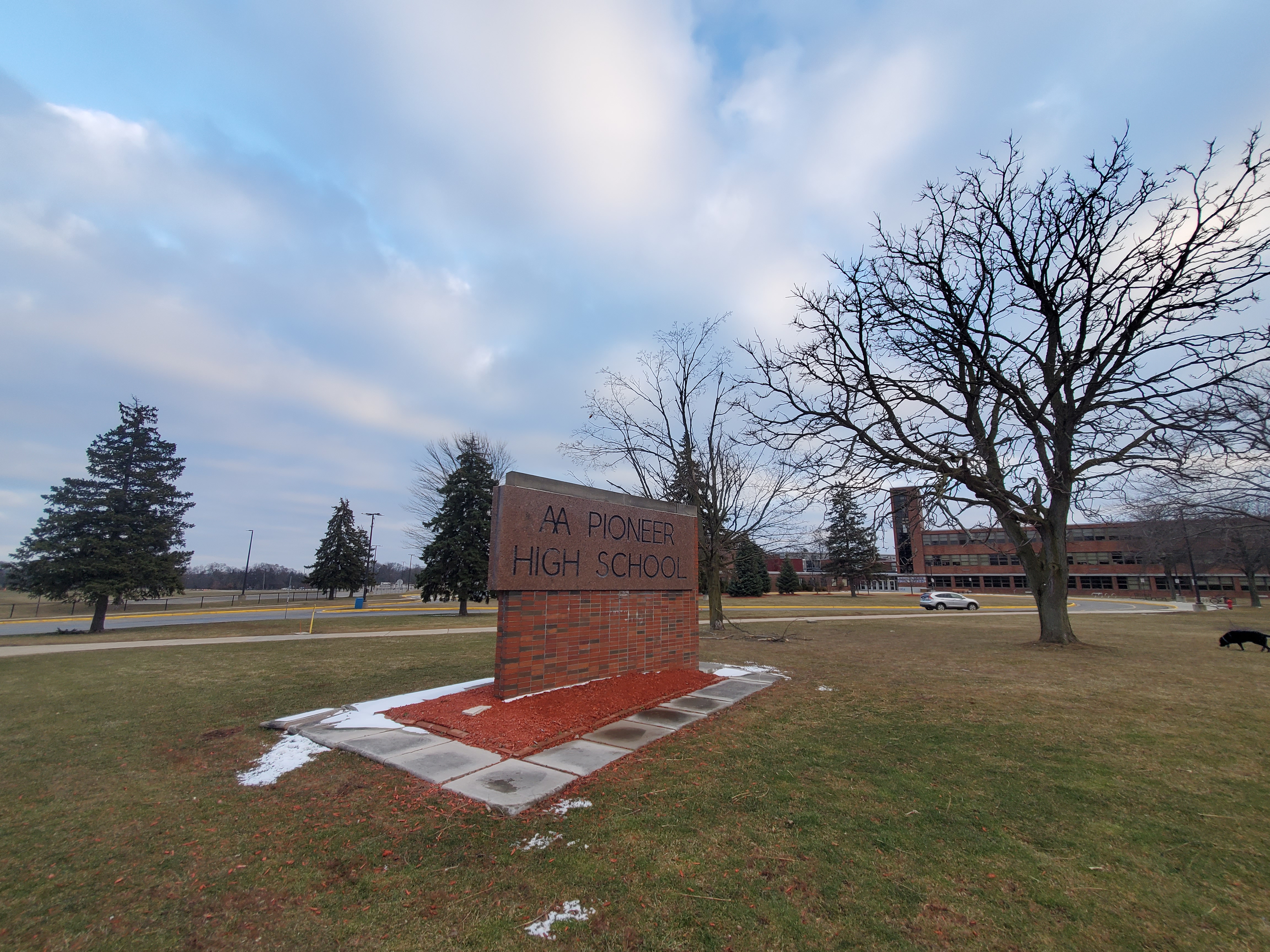
"A lot of times at the pick-up line, people will get there like an hour early to pick up kids … and they'll sit there with their car on for hours," Pioneer senior Paloma Jackson told AAPS District News at the Sept. 19 A2 Zero Green Fair. "It's proven that idling causes a lot of harmful emissions … it's harmful for the environment and it's harmful for the kids."
The campaign goes beyond signage. Students created informational materials for principals and families, developed a voluntary pledge for households and are working to reach students who idle in parking lots before the morning bell.
As part of the effort, council members rode one of the district's electric school buses and learned about AAPS's bus electrification program. Capital programs manager Moe Nagpal said the district operates eight electric buses and plans to add 16 more over the next year, according to AAPS District News.
The council organizes its work through three subcommittees, Advocacy & Action, Education, and Service, according to its website. Members have presented to the AAPS Board of Education and collaborated with environmental organizations and university professors, according to The Huron Emery.
Coert Ambrosino, the AAPS Environmental Education lead teacher, serves as the council's adult liaison. The council also planned the Freeman Spring Environmental Festival, an annual event featuring trivia, native plants, student presentations and stewardship activities.
Community partners for the spring 2026 festival included A2Zero, the Ecology Center, Growing Hope and Leslie Science and Nature Center.
Over the past three years, the Freeman native plant nursery has produced roughly 1,500 seedlings. The 2026 growing cycle is on track to produce 1,000 or more, according to the AAPS Environmental Education program.
On Monday, Sept. 28, the council is helping lead a free BioBlitz at the Freeman Environmental Education Center, 3540 Dixboro Lane, from 1 to 4 p.m. Participants will survey flora and fauna across the 40-acre campus and log observations in iNaturalist to create a biodiversity snapshot.
High school students may attend on their own. Younger students should come with a parent or guardian.
Students interested in joining the council can apply at the start of the school year. Applications close three weeks after school begins and include four short-answer questions followed by an interview.