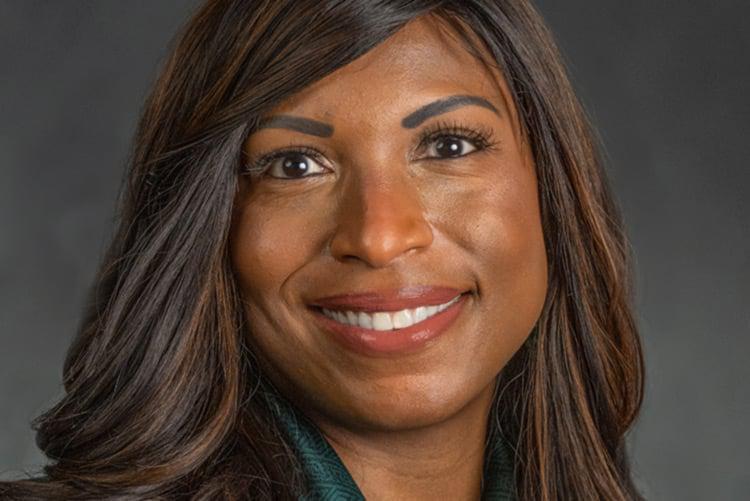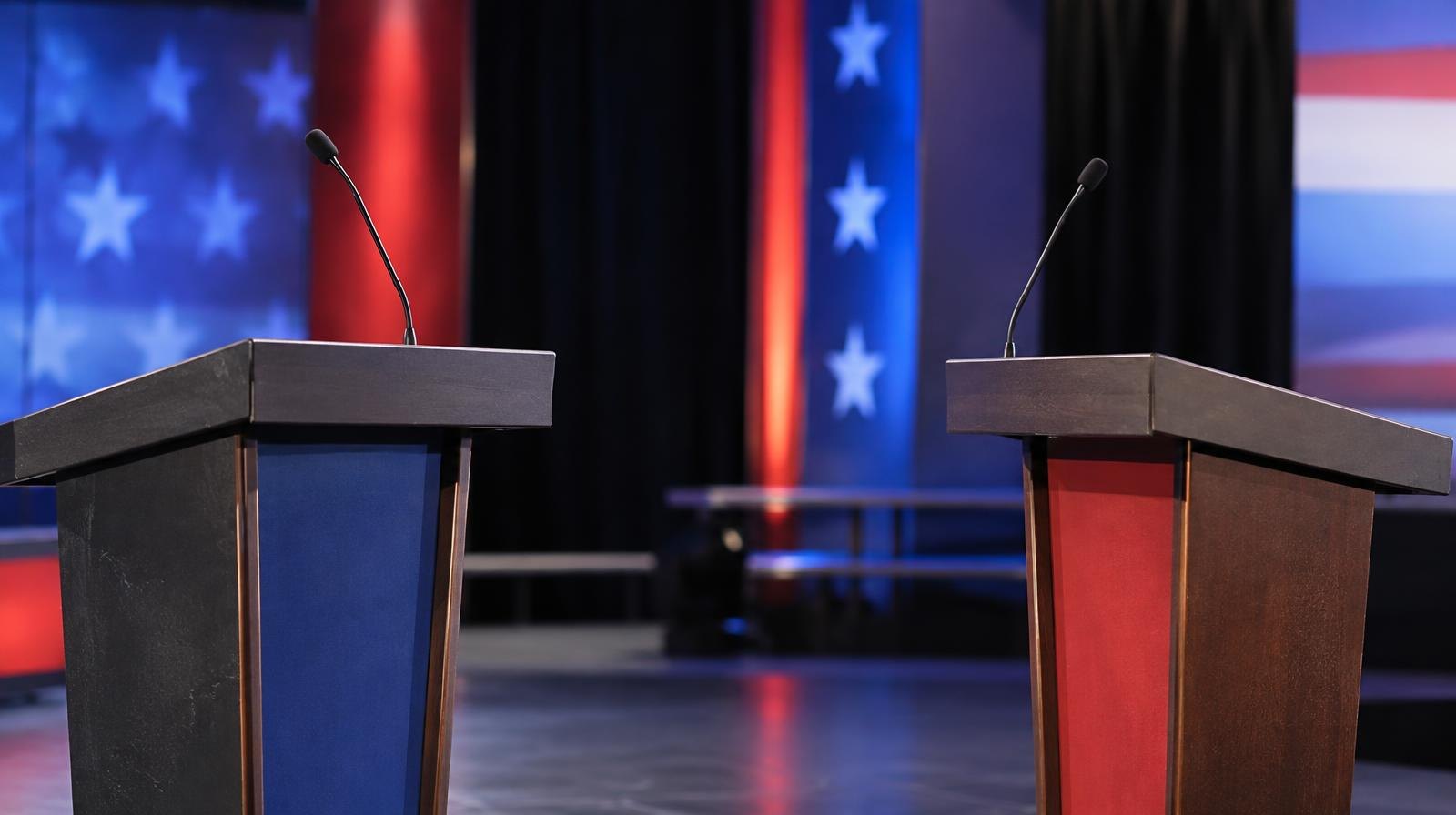
Secretary of State Jocelyn Benson and U.S. Rep. John James accused each other of profiting from data center deals at their final gubernatorial debate Thursday, Oct. 15, in Detroit.
The hour-long debate, hosted by WDIV Local 4 and moderated by reporter Jason Colthorp, covered cost of living, data centers and economic growth, the Michigan Daily reported. It came nine days after the candidates' first debate in Grand Rapids and less than three weeks before the Nov. 3 election.
During the data center discussion, Benson, the Democratic nominee, said James voted four times in Congress to block local governments from regulating artificial intelligence data center projects.
An earlier House version of the One Big Beautiful Bill Act included a proposed 10-year restriction on state and local enforcement of laws regulating AI models, AI systems and automated decision systems, according to the bill text. The Senate removed the provision before the legislation became law.
"My opponent voted four times to stop local citizens from having a voice in whether data centers could come to your town," Benson said, according to the Michigan Daily. She also accused James of buying stock in data center companies and passing tax breaks that benefited them.
The Center for American Progress Action Fund, a progressive advocacy organization, counts three committee votes and one House floor vote in its analysis of James’ support for the proposed restriction.
James, the Republican nominee and U.S. representative for Michigan's 10th District, accused Benson of hiding her family's financial ties to data center projects. He cited a $370,000 figure during the debate, calling them "backroom deals."
Separately, Bridge Michigan reported that James received more than $100,000 in campaign contributions from donors with data center ties across multiple election cycles dating to 2018. The tax breaks in the bill he voted for were not exclusive to data centers, Bridge found.
In a separate fact check, Bridge found no support for a Republican super PAC’s suggestion that Benson’s husband, Ryan Friedrichs, stood to earn millions from the $43 billion Saline Township project. Bridge reported that he earned $370,000 in total compensation from Related Companies in 2025, when his work included the data center and other projects.
Related Companies told Bridge that Friedrichs received no commission or compensation specifically from the data center project. He worked on stakeholder engagement, rather than serving as a senior project leader or developer, the company said. Friedrichs subsequently changed roles and stopped working on Michigan projects.
Both candidates said they supported a moratorium on new data centers, according to WDIV’s debate coverage.
The candidates also clashed over gas prices. James called for repealing Michigan's gas tax and accused Benson of keeping prices high to score political points against President Donald Trump. Benson countered that James, as a sitting congressman, had done nothing to suspend the federal gas tax.
Asked to name one policy of their opponent they agreed with, neither candidate offered one.
Colthorp closed by asking what metric voters should use to judge the winner's governorship after four years. Benson pointed to education levels and economic growth. James said voters should track whether fewer young people are leaving Michigan.
Michigan’s required early-voting period runs Oct. 24 through Nov. 1. In Ann Arbor, early voting begins Wednesday, Oct. 21, at the University of Michigan Museum of Art and Duderstadt Center; other city sites open Oct. 24, according to the city. Absentee ballots are available. Election Day is Nov. 3.