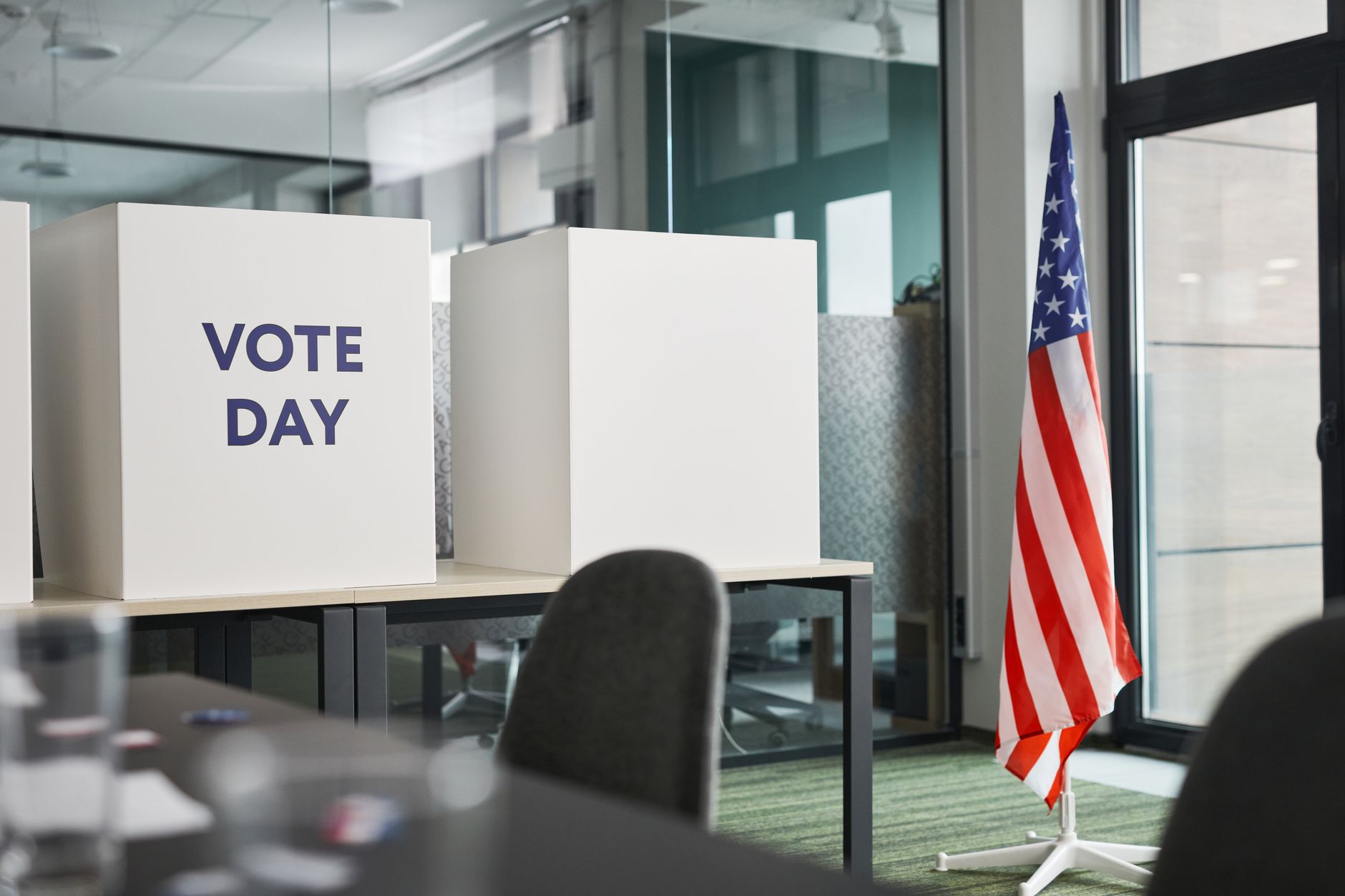
The U.S. Department of Justice sent 71 federal election monitors to eight Michigan cities on Tuesday, Nov. 3, according to Democracy Docket, citing Michigan’s secretary of state’s office. The deployment is part of a nationwide effort involving roughly 1,000 monitors and observers across all 50 states.
It is the largest election monitoring effort in DOJ history, according to a department press release. The DOJ has sent monitors to polling places since the passage of the Voting Rights Act in 1965, but this is the first time it covered all 50 states.
Ann Arbor and Washtenaw County were not on the DOJ’s published list of monitored locations. The eight Michigan cities that were: Lansing, East Lansing, Grand Rapids, Flint, Detroit, Hamtramck, Warren and Dearborn. Michigan had the most monitored locations of any state, according to Democracy Docket.
The scale marks a sharp increase. In 2024, the DOJ sent monitors to 86 jurisdictions across 27 states. In the 2022 midterms, it covered 64 jurisdictions in 24 states, according to the department’s announcements.
Assistant Attorney General Harmeet K. Dhillon of the Civil Rights Division, which coordinated the effort, said in a statement that the department was “pursuing transparency for elections in an assertive and nondiscriminatory manner.”
The monitors check for compliance with federal voting rights laws. They include personnel from the Civil Rights Division, other DOJ components, U.S. Attorney’s Offices and federal observers from the Office of Personnel Management, the department said.
The program drew concern from voting rights groups. The NAACP sued the DOJ Oct. 2 for records about the monitoring program, arguing in its complaint that the deployment could interfere with voters’ right to cast ballots without intimidation. Michigan Advance reported Oct. 27 that a judge denied emergency relief seeking immediate records production; the underlying case remained pending at that time.
USA Today reported that in states with competitive Senate races, monitors were assigned to cities and counties with disproportionately high Black and Hispanic populations according to U.S. Census data.
Common Cause policy director and counsel Andrew Walchuk questioned monitors’ training and experience and warned they could exceed their authority, Michigan Advance reported.
Michigan Attorney General Dana Nessel said in a statement that DOJ monitors are a standard part of Michigan’s election process, according to an Oct. 22 state announcement. She added that her office “stands ready to hold accountable those who attempt to unlawfully interfere with or intimidate Michigan voters or election workers, regardless of who they may be.”
State officials said DOJ monitors cannot speak with voters, touch election equipment or ballots, or interfere with election administration. Michigan treats DOJ monitors as public poll watchers. Separately, DOJ guidance explains that federal observers from the Office of Personnel Management can be assigned under court orders authorizing their presence.
Ingham County Clerk Barb Byrum said monitors would again operate as poll watchers in November and disputed DOJ’s claims about August voting problems, including long lines, Michigan Advance reported.
Washtenaw County was among 15 Michigan counties where the Michigan Election Observation Project recruited volunteer observers, Michigan Advance reported.
Voters with questions or complaints about federal voting rights can call the DOJ’s election hotline at 800-253-3931.