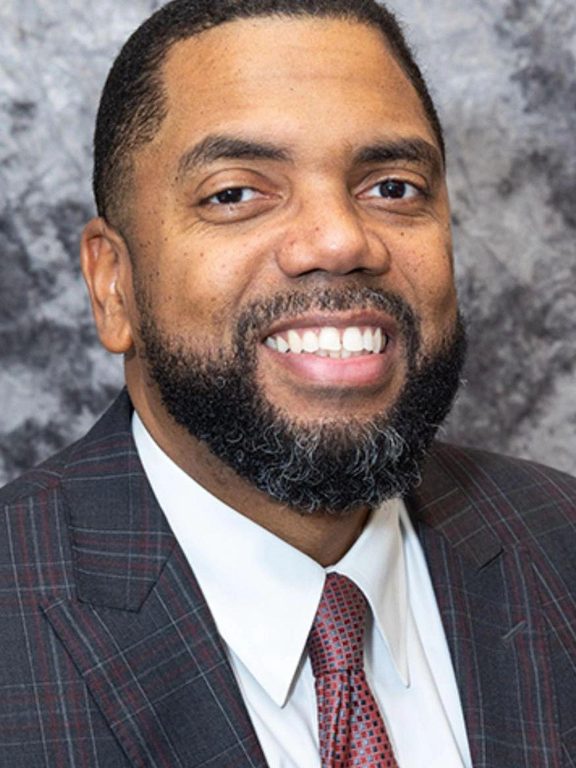
Lyndon Dibble, a University of Michigan student and Ann Arbor Public Schools graduate, is running for the district’s Board of Education in the Nov. 3, 2026, general election.
He is one of nine candidates competing for four four-year seats in the nonpartisan contest. The other candidates are Aaron J. Puno, Andy Spencer, Becca Hogan, Brandon Smith, Carolyn Siebers, Jennifer Oldham, Kelley Ellis and Rima Mohammad, according to the Washtenaw County candidate list. Voters may choose up to four candidates. A separate contest will fill a partial-term seat.
The following responses come from The Ann Arbor Record’s candidate questionnaire. Direct quotations are Dibble’s own words and have been excerpted for length. Additional information is attributed to public sources throughout.
Asked why he is running, Dibble described how his experiences as a student shaped his decision.
“During my education inside of AAPS, the district faced many challenges. COVID disrupted my middle school years. Then, financial mismanagement and upper administration vacancies negatively impacted my high school experience,” he wrote.
Dibble said he wants students’ perspectives to carry more weight in district decisions.
“AAPS maintains that we are educating leaders and including those voices in our decision making would show our commitment to that claim,” he wrote.
Candidate information
Residence: Dibble said he has lived in Ann Arbor his entire life.
Education: Dibble reported attending Burns Park Elementary School, Tappan Middle School and Pioneer High School before enrolling at the University of Michigan. He said he is studying public policy with a focus on K-12 education.
Family: Dibble said his brother attends Pioneer and his mother works as a school psychologist in Ypsilanti Community Schools.
Political affiliation: Although the school board contest is nonpartisan, Dibble said he is affiliated with the Democratic Party and serves on the Washtenaw County Democratic Party’s programs committee.
He reported organizing and moderating events on U.S. Senate candidates, local elections and ranked-choice voting.
Prior elected or appointed office: Dibble listed none in his questionnaire.
Experience and public service
Dibble said his university coursework has covered education policy, racial and socioeconomic inequality, achievement gaps and education research.
He also reported working as a research assistant examining public comments submitted to the Department of Education and their effects on policy outcomes.
“I have worked as a research assistant analyzing the impact of public comments on government decision making,” he wrote.
His civic work includes volunteering as a civic education coach at Pioneer, participating in RankMIVote projects and organizing for the Washtenaw County Democratic Party.
Dibble also cited his history of advocating within the district, from collecting signatures for longer recess periods as an elementary student to speaking against program cuts at school board meetings.
On the issues
Technology and screen time: Dibble identified technology use as the most pressing challenge facing students.
“I’ve seen the rampant misuse of technology firsthand and with the introduction of AI it has only grown worse,” he wrote.
He favors reducing classroom screen use and changing policies that provide an individual device to each student.
“I support a K-8 bell-to-bell phone ban and want to work with members of the community to create adequate high school policy,” he wrote.
Dibble also proposes reducing classroom technology use, particularly in kindergarten through fifth grade, and making devices a teacher-approved supplement rather than the default approach.
He said those changes should be developed with community input.
Student-centered priorities: Asked how the district should balance academics, mental health, school safety, teacher retention and other needs, Dibble said students should guide those decisions.
“The board should always be making choices based on what is best for students in the short and long term,” he wrote.
He connected teacher health coverage and building conditions to students’ ability to learn.
Transparency and community participation: Dibble said the district should work openly with families, staff and other community members.
“The district needs to remain student centered while working transparently and cooperatively with the community to advance community/district goals (and ideals) in all aspects of policy,” he wrote.
What sets him apart: Dibble emphasized his recent experience as an Ann Arbor Public Schools student.
“Because of my youth, I will be able to highlight blind spots that normally influence decision making and ensure our decisions remain focused on providing the best quality education we can,” he wrote.
Voters can find additional information about Dibble’s background and proposals on his campaign website.