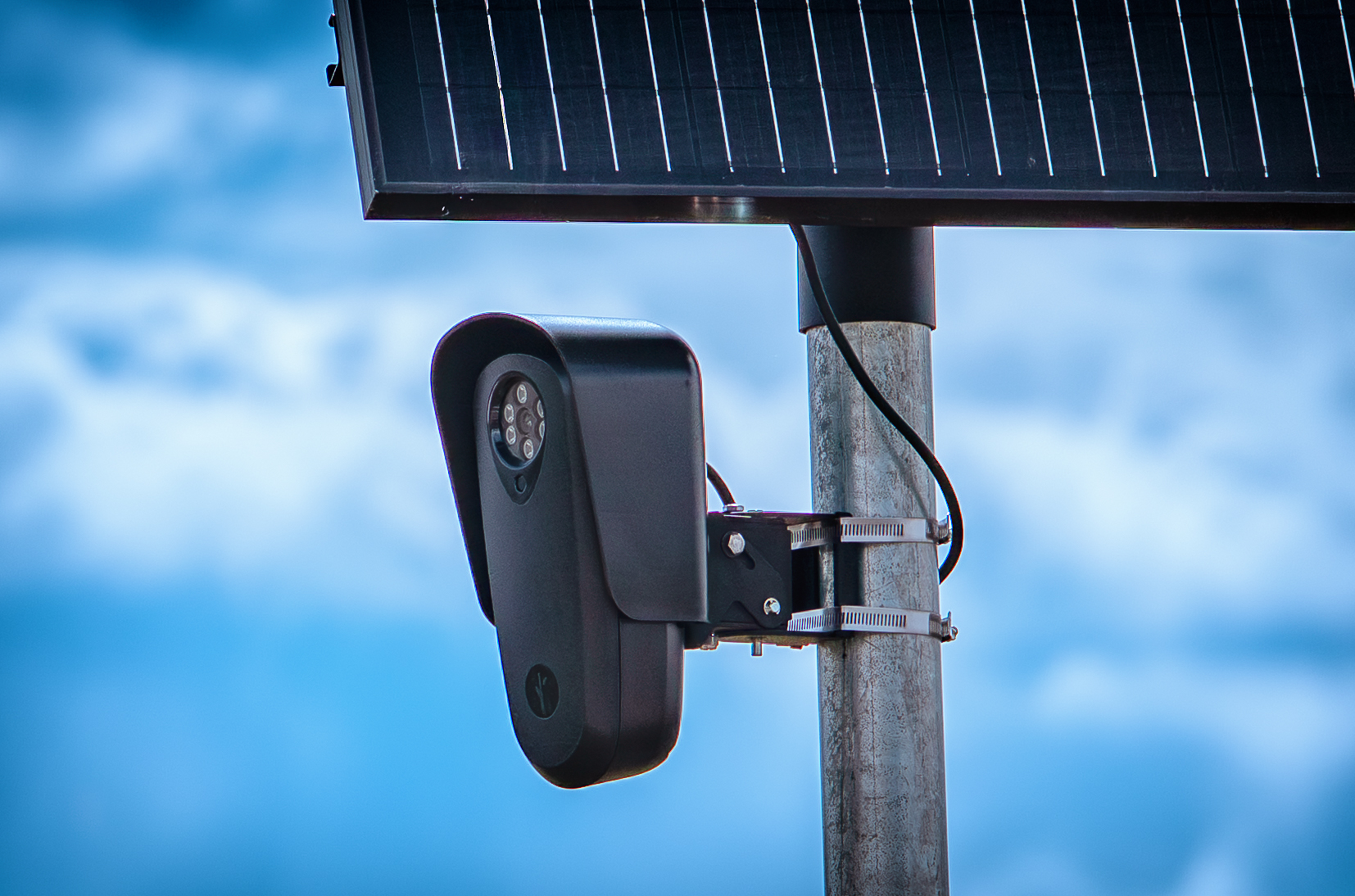
The University of Michigan Police Department has 15 Flock Safety Falcon Flex cameras that were not installed or in use when officials responded to The Michigan Daily, the newspaper reported Oct. 26.
Officers nevertheless have limited access to Flock camera data shared by other law enforcement agencies for public safety and investigative purposes, U-M police official Melissa Overton told the Daily.
“UMPD currently has 15 Flock Safety Falcon Flex cameras, none of which are installed or in use,” Overton told the newspaper.
Ann Arbor Police Department spokesperson Chris Page told the Daily that the city’s department does not use Flock cameras or license plate readers and has not opted into the company’s data-sharing network.
Flock sells automated license plate readers and separate video products. The company’s product information describes its Flex license plate readers as portable devices intended for temporary or changing deployments.
U-M assistant law professor Salomé Viljoen told the Daily that combining cameras with data tracking raises privacy concerns. She said existing laws do not fully protect people from surveillance in public settings.
Campus surveillance concerns
The disclosure comes amid a broader debate over surveillance at U-M.
The Faculty Senate Assembly adopted a resolution March 23 expressing concern that expanding surveillance technologies compromises the freedom of faculty, students and staff.
The resolution states that the university had recently installed at least 1,200 new security cameras, some with audio recording capabilities, including in public gathering spaces such as the Diag and the Law Quad. It does not identify those cameras as Flock devices.
Faculty representatives called for university-funded studies examining whether security cameras help deter and solve violent crime and whether they create unease or constrain free expression. They also called for Senate Assembly review of revised camera policies.
The university’s Physical Security Technologies policy, issued Oct. 27, 2025, assigns primary oversight of those technologies to the Division of Public Safety and Security.
The policy prohibits uses that violate university policy or constitute unlawful or unauthorized surveillance, including uses intended to suppress speech or association, discriminate or violate privacy.
The Daily’s report does not specify when UMPD obtained its 15 devices or why they remained uninstalled.