Zhen Xu, the University of Michigan engineering professor who co-invented a sound wave-based cancer treatment, won a 2026 Golden Goose Award on Monday, Sept. 28.
The national honor arrives as HistoSonics, the startup Xu co-founded in Ann Arbor to commercialize the technology called histotripsy, has reached a $3.75 billion valuation and roughly 500 employees. The company has installed more than 130 treatment systems worldwide and treated more than 5,000 patients since the Food and Drug Administration authorized histotripsy for liver tumors in 2023, according to U-M.
The Golden Goose Award, given annually by the American Association for the Advancement of Science (AAAS), recognizes federally funded research that leads to major breakthroughs. The award was first given in 2012 to counter the narrative that government-funded science is wasteful spending.
Xu, the Li Ka Shing Professor of Biomedical Engineering and a professor of radiology and neurosurgery, said federal dollars made the work possible.
"The early research and development of such a new, disruptive technology was viewed as too high a risk for investors and companies, such that we could not get funding from industry or investors early on," Xu said. She added that funding from the National Institutes of Health and the U.S. Department of Defense was the only way to build a solid research foundation and advance histotripsy until it was ready for commercialization.
Lab research becomes $3.75 billion company
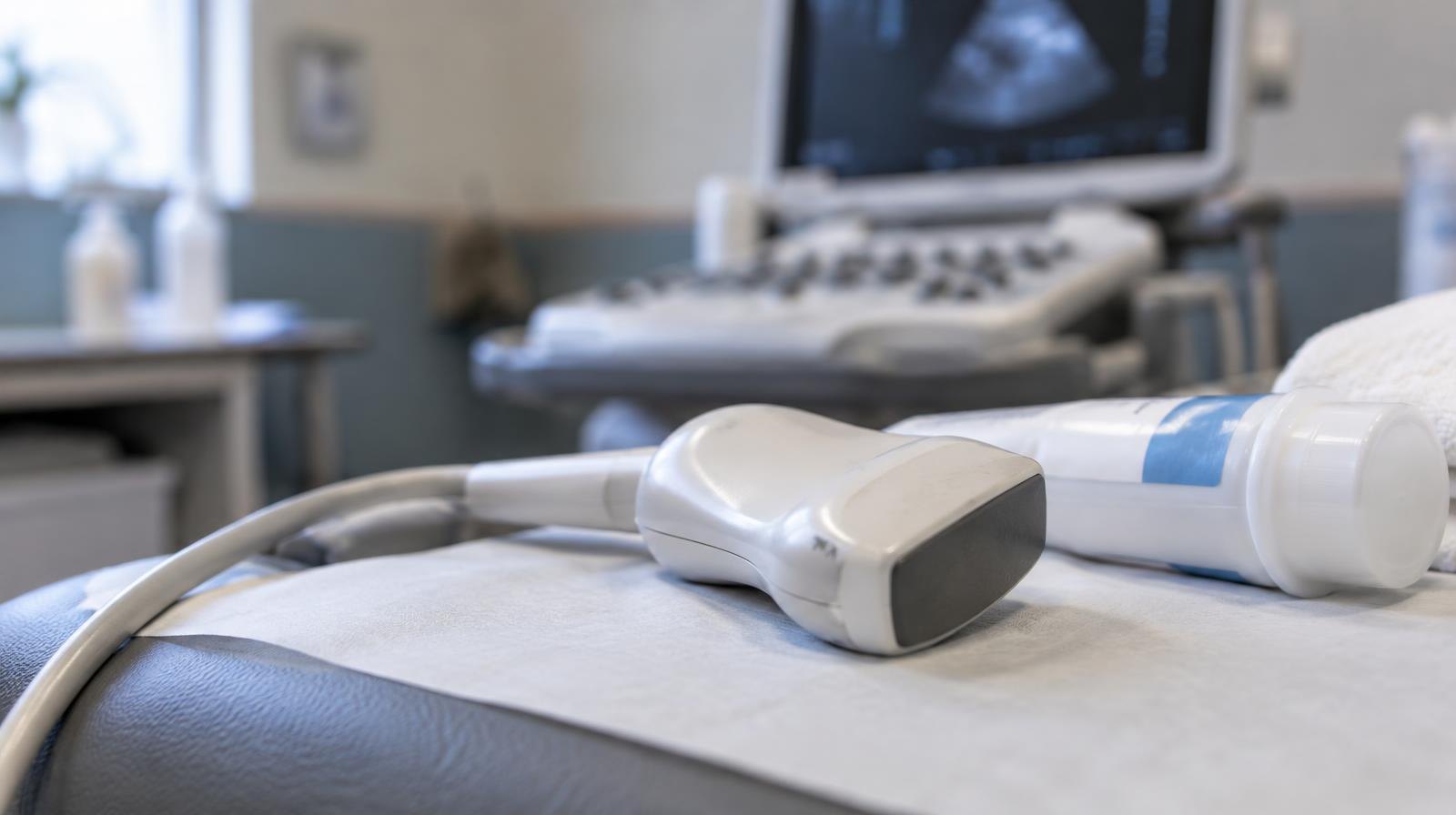
Histotripsy was first developed on U-M's Ann Arbor campus in 2002. The treatment targets tumors with precise sound waves, causing gases within cancerous cells to form bubble clouds. The repeated expansion and collapse of those clouds breaks apart the tumor's structure. The body passes what remains.
In 2009, Xu and a small group of U-M engineers and doctors founded HistoSonics to bring the technology to market. The company now has offices in Ann Arbor and corporate headquarters in Minnesota.
HistoSonics' $3.75 billion valuation came after a June financing round that included investors Reed Jobs and Yosemite, MassDevice reported. That followed a $2.25 billion majority-stake acquisition in August 2025 and an oversubscribed $250 million financing round in October 2025.
Xu and U-M both have a financial interest in HistoSonics, according to the university. At a February 2025 Board of Regents meeting, officials estimated U-M's royalty income from the company at $50 million over five years, according to regents meeting records.
$10 million Histotripsy Center opens on North Campus
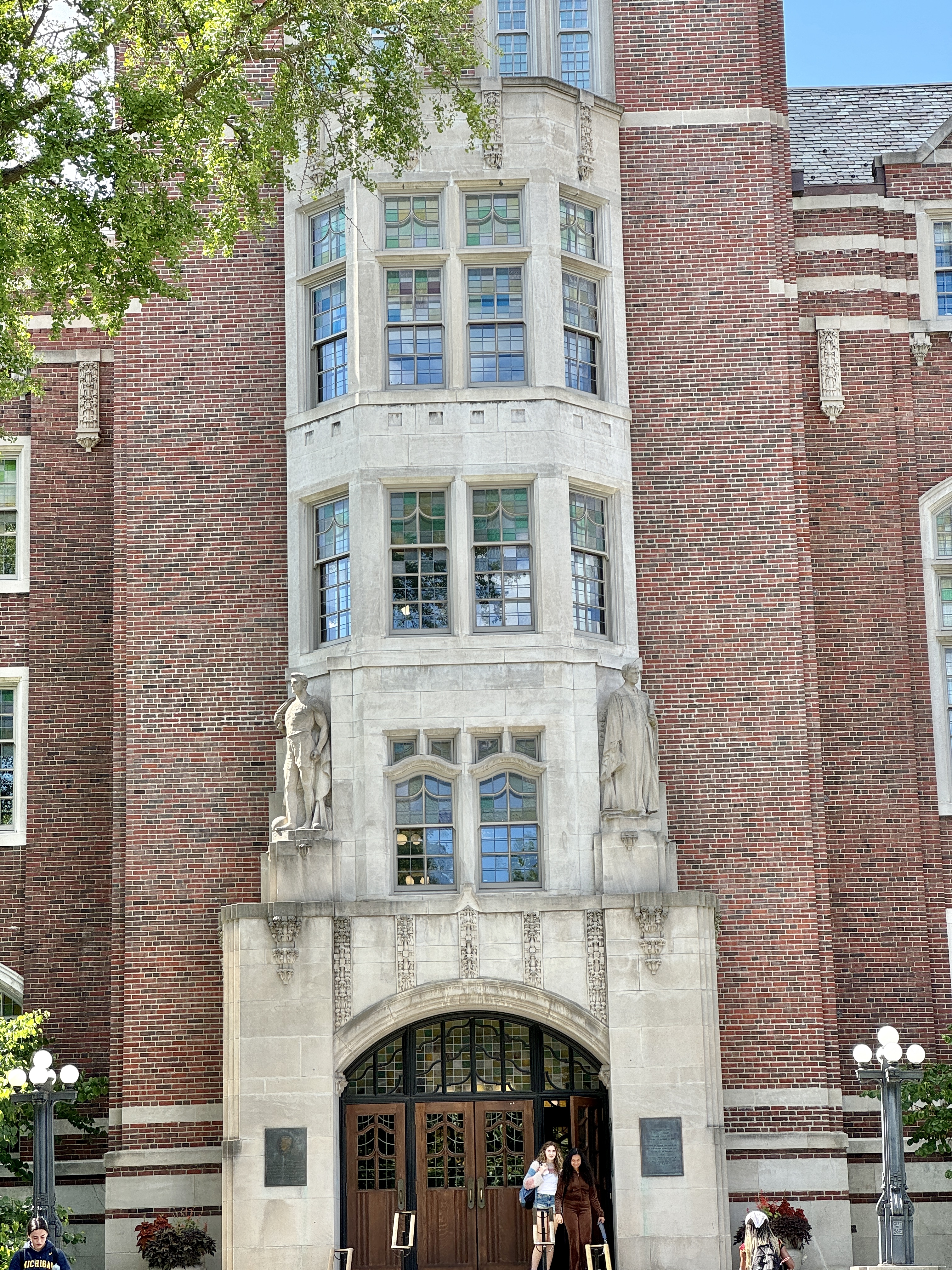
On Sept. 11, U-M launched the $10 million Histotripsy Center in the Carl A. Gerstacker Building on North Campus, according to U-M Engineering. Xu directs the center, which makes specialized equipment available to outside researchers. A "travel system" can bring U-M machines and experts to labs across the country at no cost.
At the center launch, Xu said she envisions the facility supporting thousands of researchers nationwide, conducting as many as 100 projects at a time and filing 50 patents a year within the next five years.
U-M President Domenico Grasso said at the launch that he believes histotripsy will one day be "spoken of alongside U-M's historic contributions to the polio and influenza vaccines."
Histotripsy is currently authorized only for liver tumors. FDA authorization for kidney and pancreas tumors is expected within the next year, according to U-M Engineering. A clinical trial for prostate hyperplasia is enrolling patients.