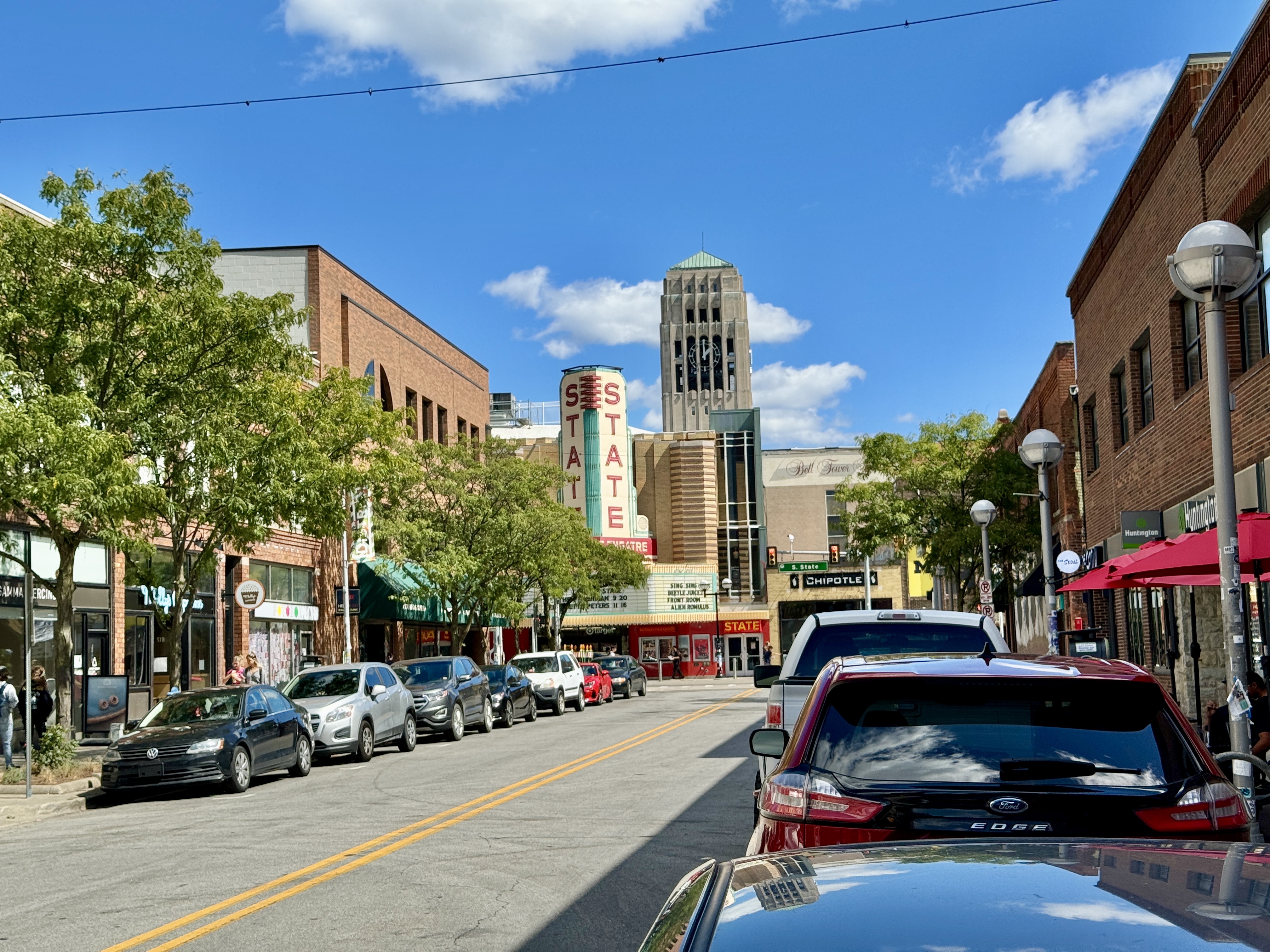
Downtown Ann Arbor drew 19.7 million visits in 2025, a 2.5% jump over 2024, but the traditional weekday lunch crowd still hasn't come back.
The Downtown Development Authority's 2025 State of the Downtown report, released Sept. 11, shows evenings and weekends have become the busiest periods for the district. The midday office-worker rush that defined downtown for decades has not recovered to pre-pandemic levels.
Fewer commuters, more residents
Commuter employee visits totaled 4.28 million in 2025, down 11% from 4.8 million in 2019. Employee visits fell on every weekday compared to 2024, with Friday dropping the most at 4%. Saturday employee visits, by contrast, rose 6%.
Residents and out-of-district visitors more than filled the gap. Their combined visits grew by 1.4 million, offsetting the roughly 520,000 fewer office-worker trips. The average daily population in the DDA district hit 60,039, up from about 58,000 in 2024 and 57,723 in 2019.
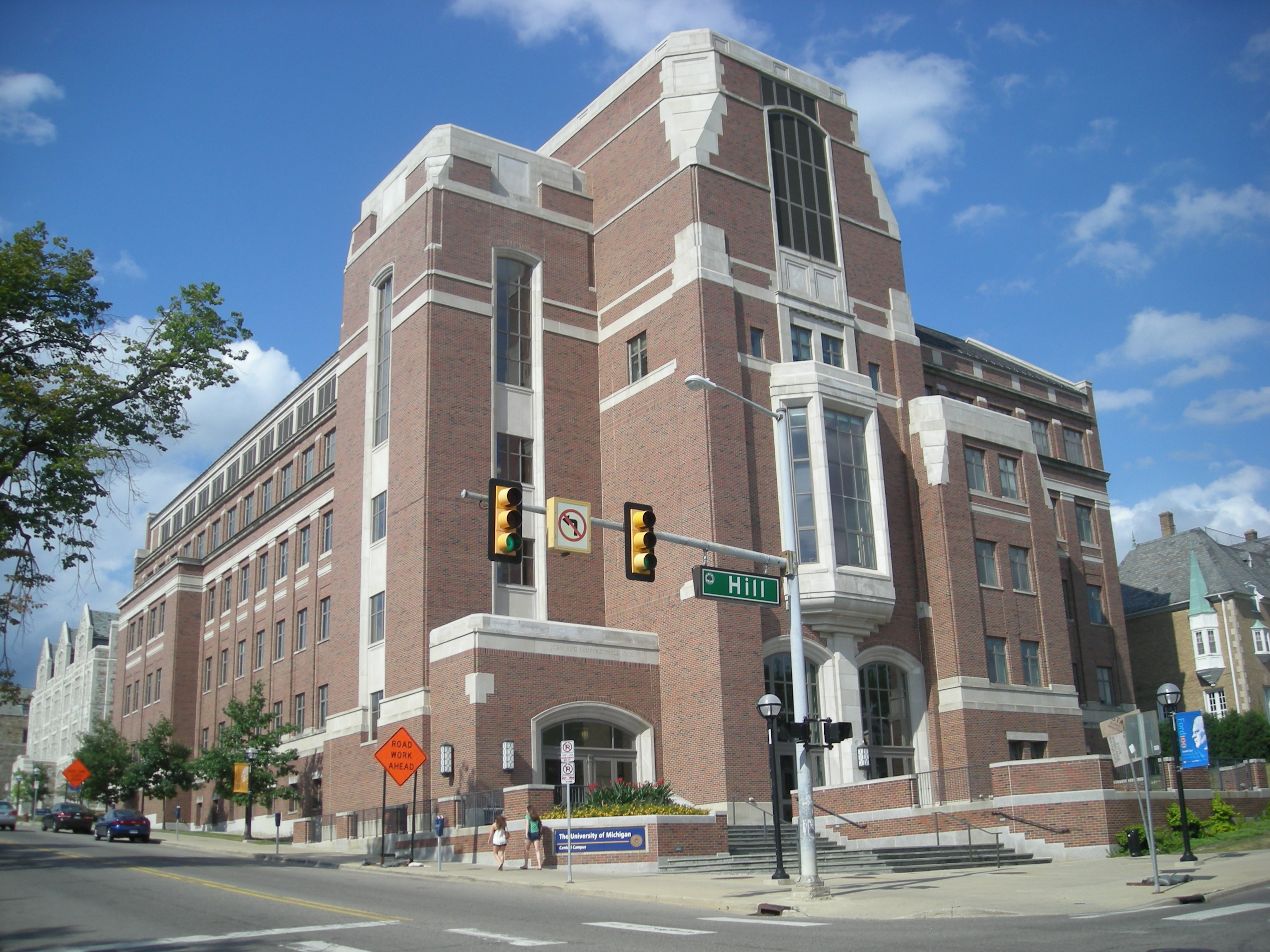
One factor: the University of Michigan's regular employee base on central campus fell 14.5% from 2024 to 2025, dropping from 17,320 to 14,794, according to the report.
Retail churn and new housing
Ground-floor businesses saw net losses. Twenty-eight new businesses opened downtown in 2025, while 42 closed. Most closures were restaurants.
Building permit data from late 2025 showed 21 interior renovations underway for incoming tenants, including a coffee shop, wine shops, a Pilates studio and restaurants expected to open in 2026.
Private developers delivered 375 new housing units in 2025, the most since 2018. Of those, 342 were market-rate and 33 were affordable. Another 720 units were under construction at year's end.
The Ann Arbor Housing Commission's Dunbar Tower project on Catherine Street was the largest public project of the year, accounting for $17.5 million in construction value, MLive reported. Overall, $36.5 million in commercial, residential and public projects were submitted for approval in 2025.
Vacancy and rents hold steady
The overall vacancy rate for retail, office and flex space held at about 10%. Office vacancy alone sat at roughly 14.6%, in line with the national average of about 14%. Retail vacancy was lower, at approximately 4.8%.
Retail rents have leveled around $38 per square foot for four years running. The South University District had the highest office asking rents, while Kerrytown had the lowest. Seventy-eight percent of available office space was in the Main or State Street districts.
Big days and transit gains
The busiest single day downtown in 2025 was the Sept. 13 UM vs. Central Michigan football game and Parents' Weekend, which drew 121,333 visits. The Zach Bryan concert at Michigan Stadium on Sept. 27 brought 106,442 visits, the second-highest day of the year.
The Ann Arbor Art Fair saw a 14% drop in visits from 2024 after heavy rain forced an early close.
Pedestrian traffic rose 11% in 2025. Downtown employees took 312,625 Go!pass transit trips, a 5% increase over 2024. The DDA-funded program subsidizes transit passes for downtown workers.
The DDA tracks visitation using cell phone data from Placer.ai, building permits, parking transactions and physical counters. A "visit" counts as a stay longer than 10 minutes, excluding pass-through traffic. Final 2026 visit figures are expected in early 2027, the DDA said.