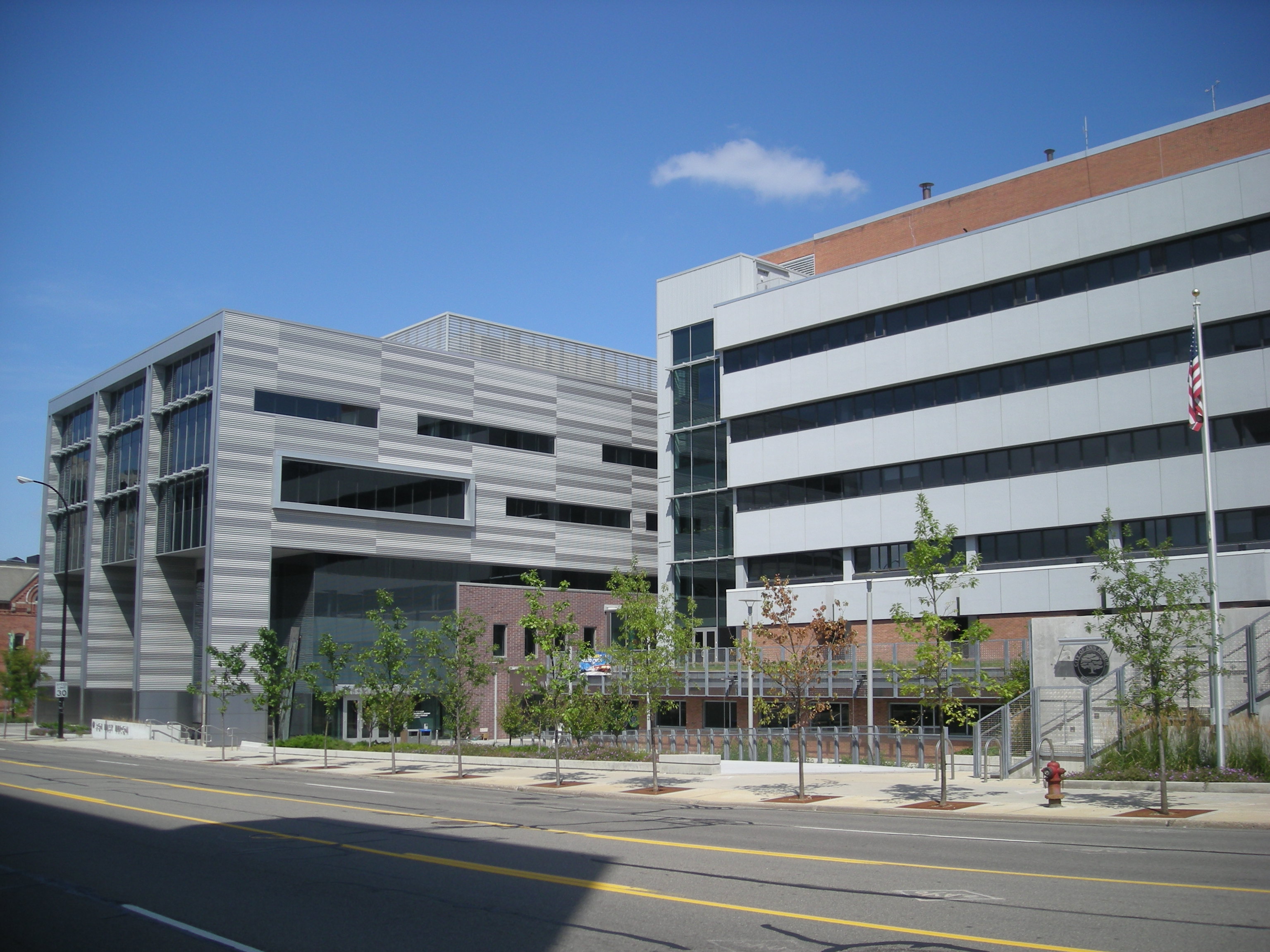
Ann Arbor City Council rejected a proposed special events ordinance in a 6-5 vote on Thursday, Aug. 6, leaving the city without stronger tools to regulate large fraternity house concerts weeks before University of Michigan students return to campus, MLive reported.
The ordinance, Chapter 125, would have required permits for events drawing more than 250 people on public or private property and imposed civil fines up to $1,000 for violations. Defying an order from police, fire or building officials would have carried misdemeanor penalties of up to 90 days in jail and a $10,000 fine.
Senior Assistant City Attorney John Reiser told council the concerts have drawn crowds of up to 2,500 people into residential neighborhoods. Ann Arbor Fire Chief Mike Kennedy said organizers in 2025 erected stages, tents and portable diesel generators between houses at two locations despite being told not to proceed.
"They gladly paid the fines," Kennedy told council, describing how current penalties failed to deter organizers.
Who voted how
Mayor Christopher Taylor and Council Members Erica Briggs, Lisa Disch, Ayesha Ghazi Edwin and Chris Watson voted in favor. Council Members Dharma Akmon, Jenn Cornell, Jen Eyer, Cynthia Harrison, Jon Mallek and Travis Radina voted against, MLive reported.
Why it failed
Opponents called the ordinance too broad. Ann Arbor resident Andy Brosius told council during public comment that it looked like a tremendous overreach that would require multiple departments to approve private events on private property.
Council Member Akmon cited a planned book reading by author Marlon James at First United Methodist Church, a ticketed event presented by Literati Bookstore, as an example of a gathering that might have triggered the permit requirement. She acknowledged the public safety concern but said she could not support the ordinance as written.
During nearly an hour of debate, the council revised the original draft to raise the crowd threshold from 100 to 250 people and exclude private gatherings and First Amendment activities. It was not enough.
What happens now
With the ordinance dead at first reading, the Ann Arbor Police Department and Ann Arbor Fire Department retain only existing enforcement tools: noise ordinance citations, zoning violation fines and building code orders. City Planning Manager Brett Lenart told council those penalties are so minimal that some event planners simply choose to pay them.
Reiser said organizers have put up to 2,000 people on a parking lot where zoning does not allow it, and that in 2025 they did so at multiple locations despite being told not to proceed.
UM's student move-in program runs Monday, Aug. 24, through Sunday, Aug. 30. Taylor argued the city needed an ordinance in place by September to address concerts that could draw hundreds or thousands of people to residential streets.
No council member announced plans to reintroduce the ordinance.