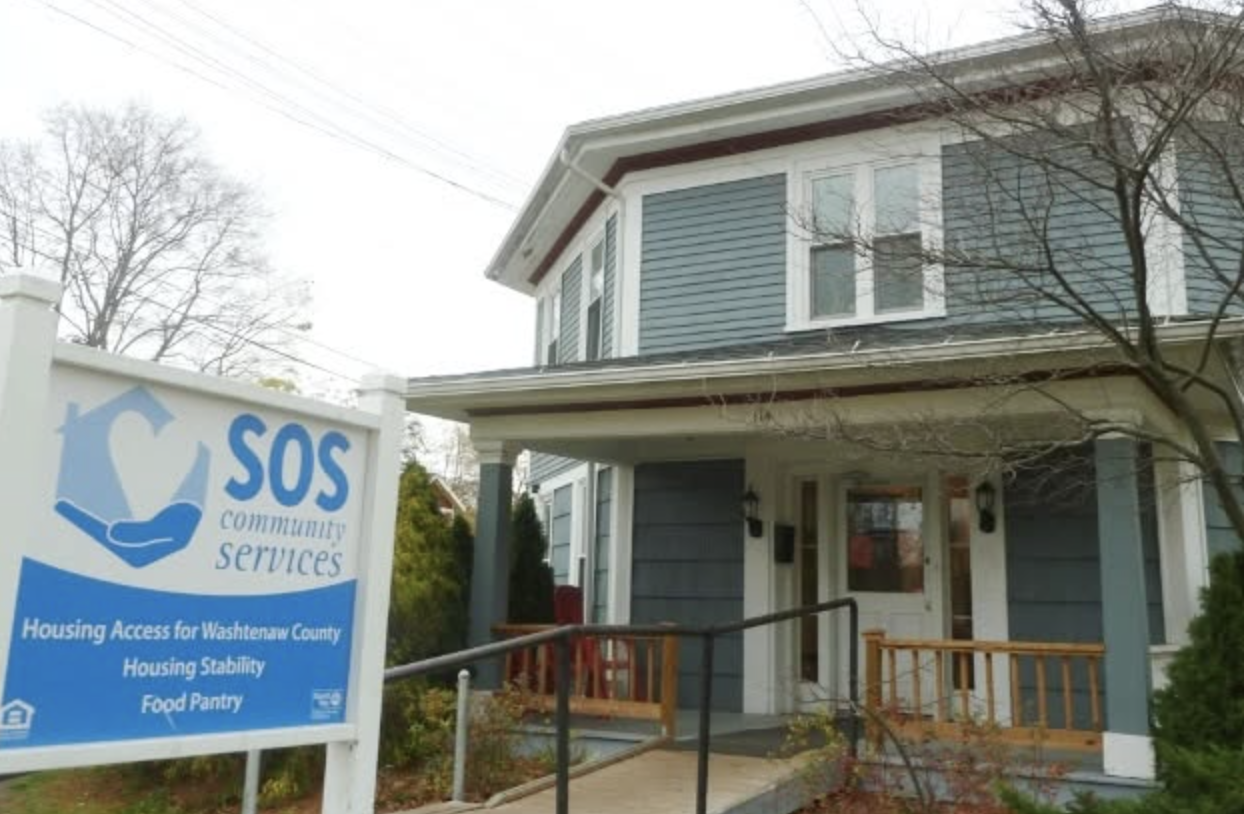
A Washtenaw County nonprofit that helps more than 7,000 people a year is bracing for federal funding cuts that could end its Rapid Re-Housing program.
SOS Community Services, based in Ypsilanti, currently serves about 116 families through Rapid Re-Housing, which moves households into permanent housing within a year at roughly $6,000 each. Executive Director Rhonda Weathers described the threat in a Monday, Aug. 31, interview on WEMU's Washtenaw United.
The pressure comes from Washington. President Trump's fiscal year 2027 budget proposal would eliminate the Continuum of Care program entirely, consolidating homelessness assistance into a block grant and cutting overall funding by 19%, according to the Bipartisan Policy Center. That amounts to a $922 million reduction from fiscal year 2026 levels.
A federal judge blocked an earlier attempt to cap Rapid Re-Housing funding in December 2025. The U.S. Department of Housing and Urban Development (HUD) reinstated the original funding plan in January 2026, Shelterforce reported. But the administration has continued pushing to shift money away from long-term housing toward shelters and short-term services.
Rapid Re-Housing costs a third of the old model
Before adopting Rapid Re-Housing around 2012, SOS operated a transitional housing model that served only 16 families per year at about $22,000 each. The newer approach moves families to stability in half the time.
"The cost of moving somebody through transitional supportive housing into permanency is about $22,000," Weathers said. "And the cost of moving somebody through Rapid Re-Housing into permanency is about $6,000, so a huge difference."
In the program, a case manager helps a family find and lease a housing unit. The family holds the lease directly with the landlord. Over 12 months, SOS works to increase the family's income so they can cover rent independently. WEMU host Decky Alexander cited a 95% success rate for families maintaining permanent housing through the program.
Rising need, shrinking safety net
Weathers pointed to two forces driving more Washtenaw County families toward homelessness: a shortage of affordable housing, driven partly by two universities pushing rents higher, and rising costs that have hit vulnerable residents hardest over the past two years.
Federal benefit cuts are compounding the pressure. Weathers said 145,000 Michigan residents have lost Supplemental Nutrition Assistance Program (SNAP) benefits. The Michigan Advance reported that the One Big Beautiful Bill Act contributed to those losses, with one in three affected Michiganders being a child.
Washtenaw County is already responding. As we reported Aug. 31, the county is recruiting restaurants for a SNAP meal program amid the cuts.
Weathers said Medicare cuts expected next year will further affect the people SOS serves.
55 years in Washtenaw County
SOS began about 55 years ago as a student-run crisis line at Eastern Michigan University in Ypsilanti. It now operates a food pantry, a Parents as Teachers early-childhood program and an eviction-prevention program for Section 8 tenants. In the past year, thousands of families and more than 800 children reached out for help or shelter, according to WEMU.
Weathers, who has led SOS since 2013, said the organization is working to build community support for keeping Rapid Re-Housing alive regardless of the federal funding outcome. Residents can learn more at soscs.org.