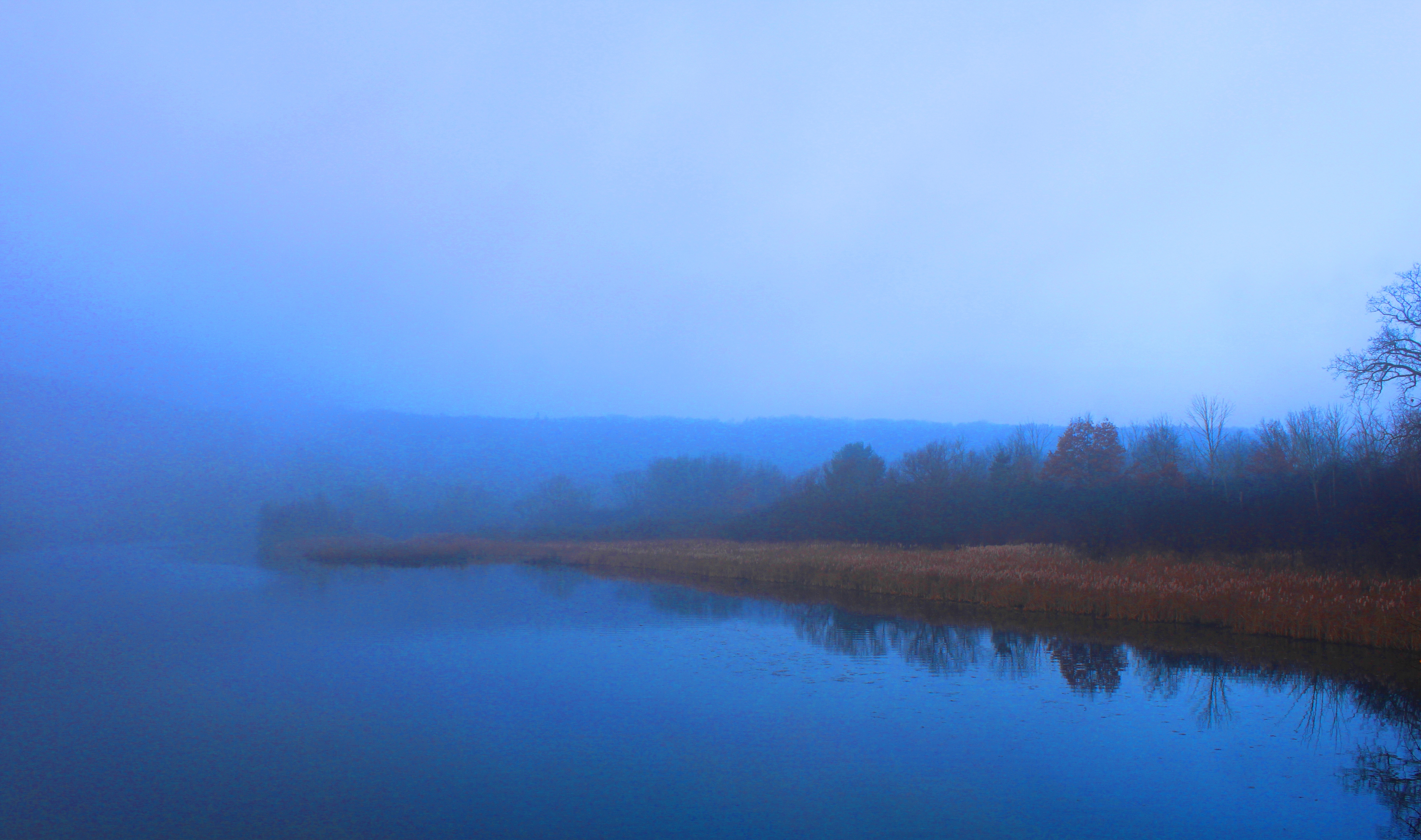
Argo Pond and 48 miles of Mill Creek contain mercury levels that violate Clean Water Act standards, a draft state report found.
The Michigan Department of Environment, Great Lakes, and Energy (EGLE) released its biennial draft Integrated Report in September, assessing whether the state's rivers, lakes and Great Lakes shoreline meet federal water quality standards. The Huron River Watershed Council analyzed the findings and flagged 22 newly impaired lakes and river sections across the Huron River watershed, several of them in Washtenaw County.
Argo Pond, a popular paddling and swimming spot in Ann Arbor, was newly listed as impaired for fish consumption due to mercury. So were First Sister Lake, Millers Creek and Allen Drain. Mill Creek and its tributaries, a combined 48 miles in Washtenaw County, were listed for both mercury and PFOS, a synthetic chemical in the PFAS family. Ford Lake in Ypsilanti Township was flagged for mercury, DDTs and PCBs.
The listings do not necessarily mean pollution is new.
Paul Steen, the watershed council's director of science, wrote that the data reflects years of monitoring catching up to conditions that may have existed for a long time. "In most cases, these new listings reflect newly available monitoring data rather than newly developed contamination," Steen wrote in the council's Sept. 22 analysis. About 96% of Michigan river miles assessed for fish consumption are already impaired, driven largely by atmospheric pollution from distant sources.
Beaches and E. coli
Twelve beaches or shoreline sections across the watershed, mostly in Oakland County, were newly listed as impaired for body contact due to E. coli. A body contact impairment does not mean swimming is banned. It means monitoring showed the water does not consistently meet Michigan's recreational E. coli standards. Local health departments issue beach closures separately based on current results.
The Huron River's main stem from Hamburg through Argo Dam is not listed for a body contact impairment. That stands out: roughly 85% of assessed Michigan river miles carry that designation. The council still advises swimmers to stay out of the Huron for about 48 hours after heavy rain, when E. coli levels can spike.
Wildlife concerns upstream
Three river sections near Brighton in Livingston County, Woodruff Creek, South Ore Creek and Spring Mill Creek, were newly listed as impaired for aquatic life and wildlife, each with the cause listed as unknown. Steen called the South Ore Creek listing "perhaps the most alarming result of this entire report," noting the 10-mile tributary flows through Brighton and council monitoring had shown it declining.
A fourth cause-unknown aquatic life listing covers Mill Creek's 40-mile stretch, including the main branch and eastern tributaries along Scio Church Road in Washtenaw County. The council said it is unclear whether the listing covers the main branch or agricultural tributaries, and it is following up with EGLE.
Funding at stake
Impairment listings can unlock federal Section 319 grants for cleanup projects when paired with an approved watershed management plan. The council has received 22 such grants over the years, totaling $4.8 million for projects including rain gardens in the Millers Creek watershed, streambank stabilization along Mill Creek and removal of the Mill Creek Dam.
The president's proposed federal budget would eliminate the Section 319 program, according to an August 2025 council analysis. Congress had appropriated $174.3 million for the program, with about $5 million going to Michigan. As of this year, the EPA's own Section 319 program page, last updated in July 2026, still lists active guidance and application resources, indicating the proposed elimination was not enacted for fiscal year 2026. A specific FY2026 appropriations figure could not be confirmed.
Residents can check local water conditions using the EPA's "How's My Waterway" tool at mywaterway.epa.gov. Michigan's Eat Safe Fish Guides at michigan.gov/mdhhs offer guidance on safe fish consumption. The council's River Roundup volunteer monitoring event is scheduled for Saturday, Oct. 3.