The University of Michigan's HAIL Scholarship raised on-time bachelor's degree completion by 4.1 percentage points among low-income students, a new federal study found.
The study, published July 13 and highlighted by U-M's Ford School of Public Policy on Wednesday, Sept. 9, tracked 2016 and 2017 high school graduates who received the scholarship offer. Those students were 21 percentage points more likely to enroll at a U-M campus.
Among those who enrolled at U-M because of HAIL, students were 56 percentage points more likely to earn degrees from highly or most selective colleges. The researchers project that improved degree quality will raise recipients' annual earnings by 18 to 25%. That figure is a model-based prediction; actual post-graduate earnings have not yet been measured.
The High-Achieving Involved Leader (HAIL) Scholarship ran from 2016 to 2023. It guaranteed four years of free tuition to high-achieving, low-income students at the time of application, before an admissions decision. Traditional financial aid programs inform students of their award only after admission. HAIL also sent targeted outreach to students, parents and high school faculty.
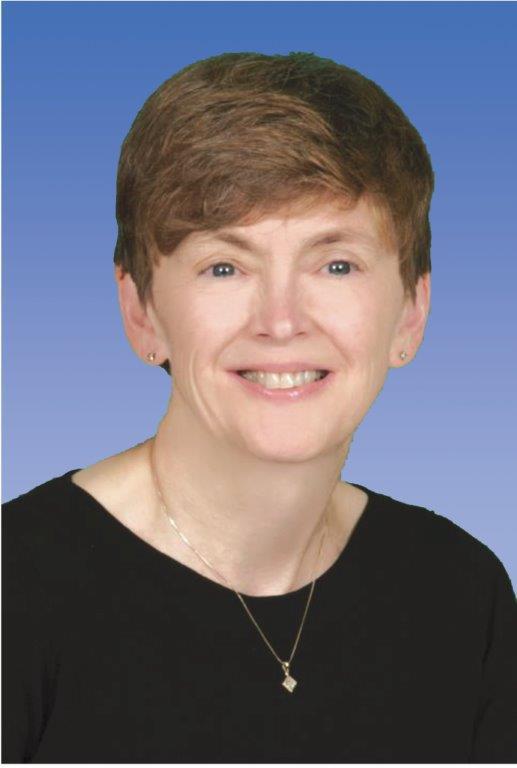
Katherine Michelmore, a professor of public policy at U-M's Gerald R. Ford School of Public Policy, co-authored the study with eight colleagues, including Susan Dynarski, a former Ford School professor now at Harvard's Graduate School of Education. Michelmore is also a research associate at the National Bureau of Economic Research (NBER).
"Better information, simpler applications, and clearer aid promises can move students toward higher-quality colleges," the authors wrote. "HAIL reduced undermatch by reallocating access to high-quality colleges. Mobility at scale requires expanding that supply."
The findings underscore a persistent gap. Only 3% of U-M undergraduates come from households in the bottom income quintile, while 9% come from households in the top 1%, according to the Ford School.
HAIL served as the foundation for the Go Blue Guarantee, which launched on the Ann Arbor campus in January 2018. The program originally covered families earning up to $65,000 a year. U-M expanded the income threshold to $125,000 on Dec. 5, 2024, committing an additional $8.8 million annually. The expansion was projected to make more than 10,000 students eligible for the full-tuition guarantee since the program began, according to the University Record.
The NBER paper is the third major publication on HAIL. Earlier studies in the American Economic Review in June 2021 and September 2023 showed the scholarship increased applications and enrollment but did not examine degree completion or earnings. Michigan families earning $125,000 or less can check eligibility at goblueguarantee.umich.edu.