A proposed White House rule that would give political appointees power over federal research grants could jeopardize 16,000 jobs tied to University of Michigan research and nearly $400 million in annual research spending, according to a July letter the university sent to the Office of Management and Budget.
The rule, published May 29 in the Federal Register, would overhaul the federal guidelines governing all grants. It would require funded research to "advance the President's policy priorities" and place political appointees above peer reviewers in deciding which projects get money.
For Ann Arbor, where federal dollars fuel everything from suicide-prevention programs to Great Lakes science, the stakes are immediate.
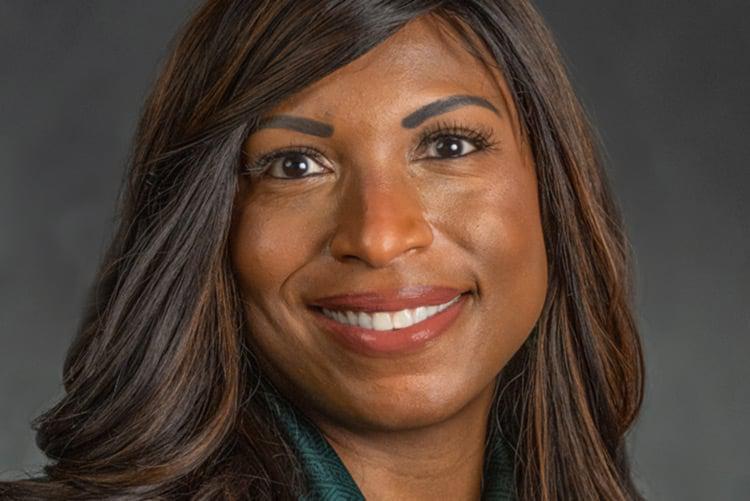
"Every single person in this state, whether they know it or not, is touched by federal research," Katie Edwards, a U-M professor of social work, told Michigan Public.
Edwards runs a lab of more than 50 people focused on youth empowerment and violence prevention, including suicide interventions for teens. In 2025, the National Institutes of Health terminated six of her grants. A federal judge later ruled those terminations illegal and ordered 800 grants restored. Edwards' funding came back, but she described the disruption as devastating for caregivers and LGBTQ+ youth already enrolled in a suicide-intervention program that had to be wound down with emergency university funds.
Dani Jones, a research scientist with U-M's Cooperative Institute for Great Lakes Research, said the rule's restrictions on international collaboration would undermine partnerships with Canadian and tribal governments that are essential to managing the lakes. Jones warned that if those observing systems become harder to sustain, the result would be "a slow degradation of our ability to observe the lakes, understand, predict, and actually make smart, informed decisions about how to manage them."
Nearly 500,000 comments, mostly opposed
The proposed rule drew roughly 497,000 public comments by the July 13 deadline. A STAT analysis of 52,000 posted comments found approximately 95 percent were opposed, according to Fierce Healthcare. Michigan Attorney General Dana Nessel joined 23 other state attorneys general in a 99-page letter calling the rule "a textbook example of arbitrary and capricious agency action."
An OMB spokesperson told Michigan Public the rule "will bring much-needed accountability to the grantmaking process and ensure taxpayer dollars are spent wisely."
U-M vice president for research Skip Lupia and the Offices of Research and Innovation, Government Relations and General Counsel have been coordinating the university's response since at least July 1, according to a Faculty Senate newsletter.
Senate blocked the rule, but House hasn't
On Aug. 8, the U.S. Senate voted to include language in its continuing appropriations bill stating the rule "shall not be issued or finalized," effectively delaying it until Dec. 11. OMB had planned to finalize the rule by Oct. 1.
But the House version of the spending bill does not block the rule. When Congress returns from recess in late August, the two chambers will need to reconcile their bills. Senate Appropriations Chair Susan Collins (R-Maine) wrote in a July letter to OMB Director Russ Vought that the rule would "undermine scientific and biomedical research, and conflict with Congress' control over the federal funding process," according to GovExec.
Whether the block survives that negotiation remains unclear. U-M researchers say they don't know if projects already funded will be able to continue past October.
Dec. 11 is the date to watch.
If you are having suicidal thoughts, call or text 988 to reach the National Suicide & Crisis Lifeline.