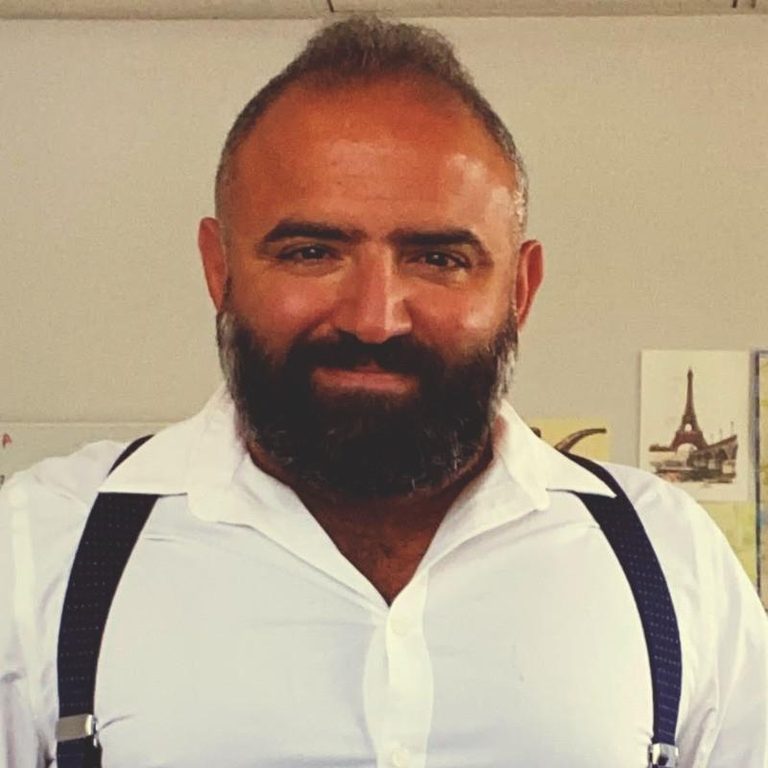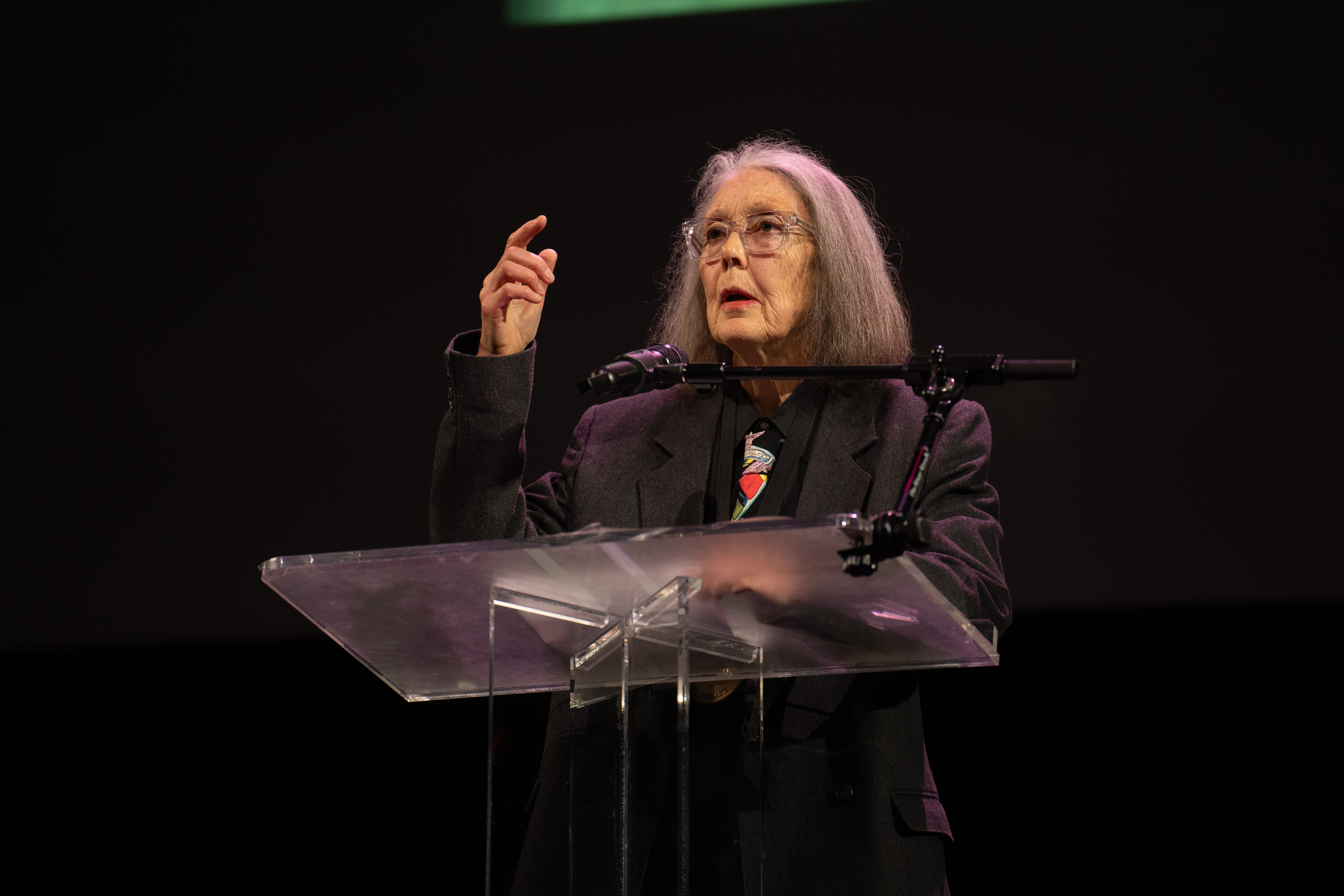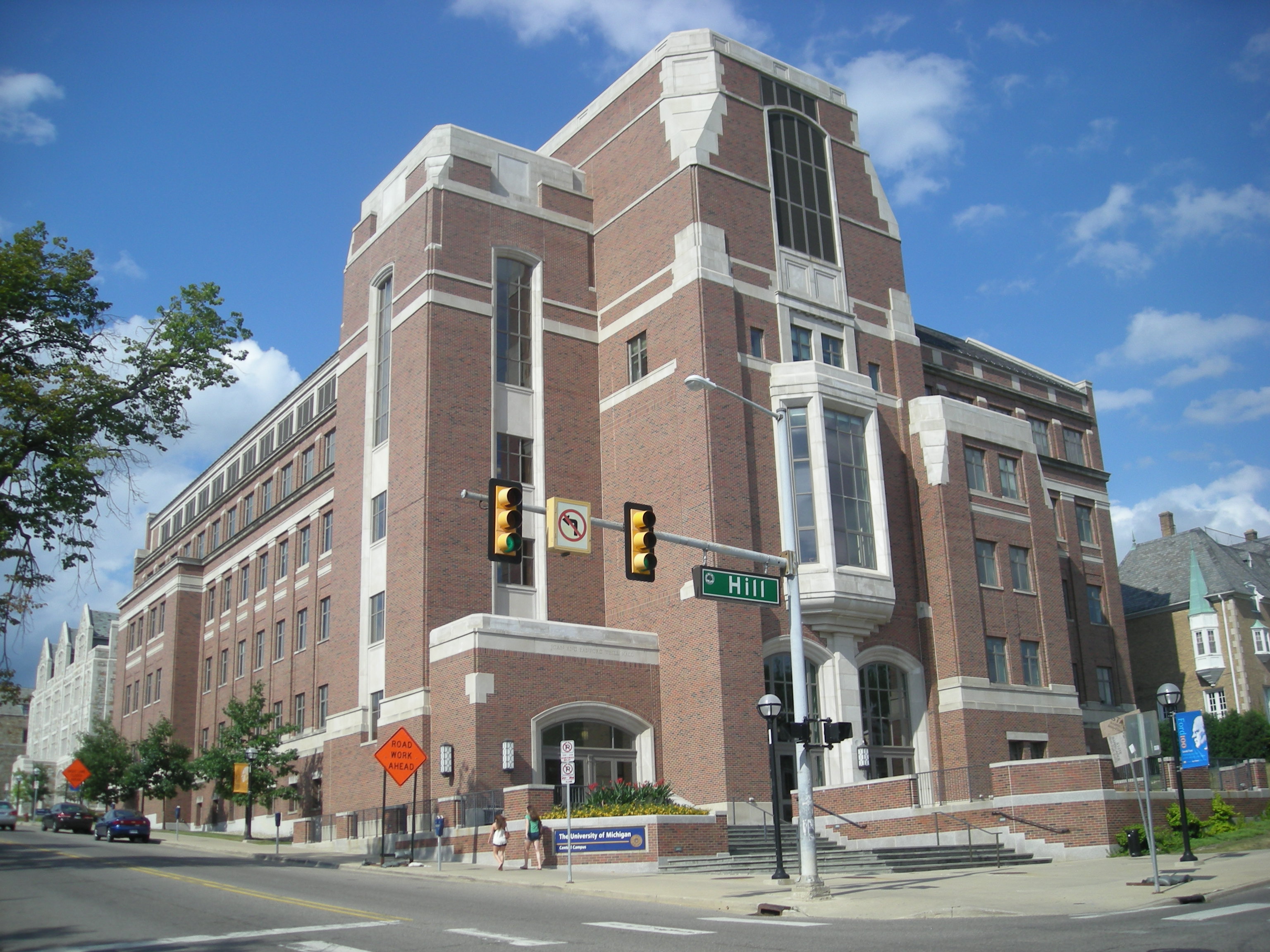
Lt. Gov. Garlin Gilchrist II and Macomb County Clerk Anthony Forlini clashed over election denial and federal oversight at a University of Michigan debate Thursday, Oct. 8.
Hundreds filled the Ford School of Public Policy's Annenberg Auditorium for the candidates' second face-off, with the Nov. 3 general election less than four weeks away. The two are running to succeed Secretary of State Jocelyn Benson, a term-limited Democrat now running for governor. Gilchrist, a U-M alum, dropped out of the gubernatorial race earlier in 2026 to run for the seat.
The election-security exchange turned personal. Forlini attacked Gilchrist for requesting a recount after losing a 2017 Detroit city clerk race. The recount confirmed Gilchrist's loss, and he conceded the election, according to Bridge Michigan. Gilchrist responded by pointing to Forlini's 2022 hiring of Genevieve Peters, a right-wing activist who denied the 2020 election outcome and attended the Jan. 6, 2021, Capitol riot, according to Bridge Michigan. The hire drew national headlines and condemnation from Benson.
Gilchrist called Peters a "Jan. 6 insurrection leader." Bridge Michigan's fact-check found no evidence Peters played an organizing role, entered the Capitol or was charged with a crime related to her attendance.
Forlini defended the hire. He said Peters "is very, very vocal and not something that I necessarily aspire to" but that his office employs people with a "diversity of opinion," Michigan Public reported.
When pressed on the 2020 presidential election, Forlini said, "Joe Biden was certified as president and served four years." Bridge Michigan found no evidence Forlini has called the 2020 results into question, though he has largely avoided speaking definitively about the outcome. As clerk, he ordered an independent forensic audit of Macomb County's 2020 results that cost about $16,000. The audit found no evidence of election interference, according to Bridge Michigan.
Federal oversight split
The candidates drew a sharp line on federal monitoring of Michigan elections. Gilchrist said the authority to run elections belongs to Michigan voters, not the federal government, and called himself the state's future "chief privacy officer."
Forlini welcomed federal monitors. "Bring them to Macomb — the more eyes, the better," he said at the debate, as reported by The Michigan Daily. He accused Gilchrist of fearing that President Donald Trump's administration would uncover misconduct.
In his closing statement, Gilchrist alleged Forlini had coordinated with the Trump Justice Department and handed over Macomb County voter data. Bridge Michigan rated that claim partially accurate.
Forlini said he did not initially reach out to the federal government and only began working with investigators after they opened a probe into his claims about noncitizens on voter rolls. The extent of data shared remains unclear, including whether any nonpublic voter information was provided. Benson has fought Justice Department subpoenas demanding full access to the state's Qualified Voter File in federal court.
Digital licenses and Senate attendance
Gilchrist, a former Microsoft software developer, proposed digital driver's licenses and kiosks at retailers like Meijer to expand secretary of state services. Forlini countered by pointing to delayed state tax refunds, claiming that tens of thousands of residents had not received refunds because of a state software glitch, according to The Michigan Daily.
Forlini also attacked Gilchrist's record as president of the state Senate, claiming he attended only six out of 100 session days in 2025. Bridge Michigan found the proportion roughly accurate but the numbers off: the Senate sat 114 days, and a Detroit News analysis found Gilchrist showed up 6% of the time. Gilchrist said he was present "for 100% of the tiebreaking votes that I needed to cast."
LSA senior Chelsea Coon, who attended the debate, told The Michigan Daily she valued the federal-monitoring discussion. "I think bringing that point in — even though this is a state position — does have a lot of influence," Coon said.
A recently published survey from pollster Steve Mitchell showed Gilchrist leading 41% to 36%, with 18% undecided, according to Bridge Michigan. Absentee voting is underway, and nearly 300,000 Michigan voters had already cast ballots as of the debate.