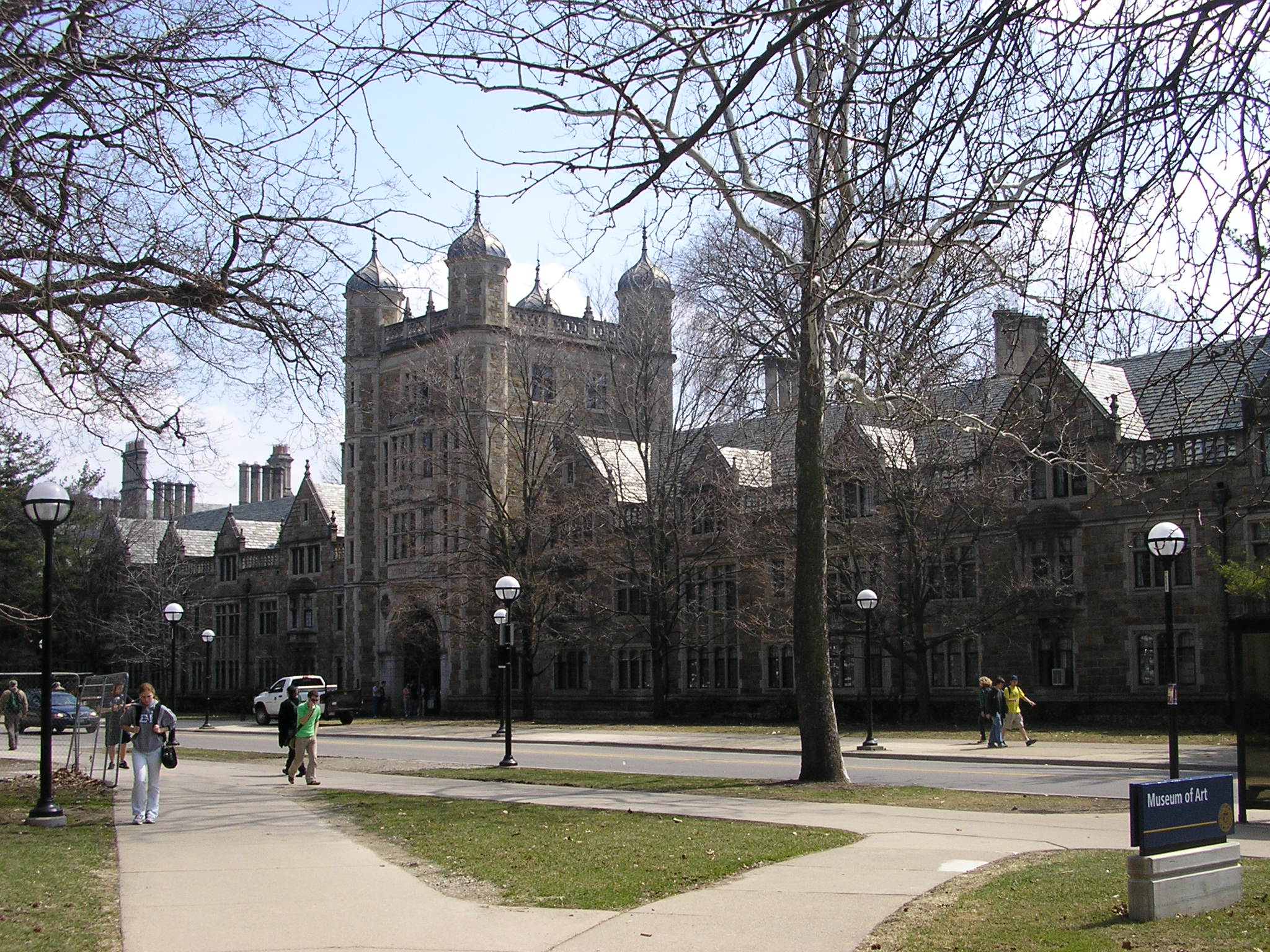
The University of Michigan fell 61 places in FIRE’s annual College Free Speech Rankings, landing at No. 166 out of 261 ranked institutions.
The Foundation for Individual Rights and Expression (FIRE) released its 2027 College Free Speech Rankings on Wednesday, Sept. 9. U-M had ranked No. 105 the previous year. The rankings draw on nearly 63,000 student survey responses measuring comfort expressing ideas, tolerance of opposing views and self-censorship, along with assessments of university policies and speech controversies, as The Michigan Daily reported Oct. 6.
FIRE’s U-M profile also lists a yellow light speech code rating, meaning at least one university policy is ambiguous enough to invite misuse. FIRE data analyst Chapin Lenthall-Cleary told The Michigan Daily that a policy calling for respect and consideration toward university staff, including residential staff, could potentially be used to restrict student speech.
A separate January 2026 survey by the Faculty Senate’s Protections for Faculty Working Group found concerns among faculty respondents. Out of 738 responses, 30.7% of respondents said they had censored themselves or been censored in their teaching. Another 27.6% reported feeling pressure to censor their research, and 17% said they had done so, according to The Michigan Daily’s earlier reporting on the survey. Those percentages describe respondents, not all U-M faculty.
Kentaro Toyama, a School of Information professor who chairs the Senate Advisory Committee on University Affairs (SACUA), told The Michigan Daily he has heard from faculty and students on all sides who feel constrained.
“I will say that I have heard from many faculty that they feel they are not able to express the full range of things they might have even five years ago,” Toyama said.
Toyama said the university has issued statements defending free speech and is legally obligated to protect it as a public institution.
Asked about the rankings, U-M’s Office of Public Affairs directed The Michigan Daily to the university’s standing free speech statement, which calls free speech “a bedrock principle” of the institution.
Nationally, 121 of the 261 ranked schools received an F for their speech climate. Only 24 earned a C or higher. The University of Chicago ranked first. FIRE President Greg Lukianoff said in a Sept. 9 statement that while some policy improvements have emerged, “the overall state of free speech on campus is grim.”
Separately, a Sept. 23 report by the ACLU and Amnesty International USA examined university responses to pro-Palestinian protests, including a case study of U-M.